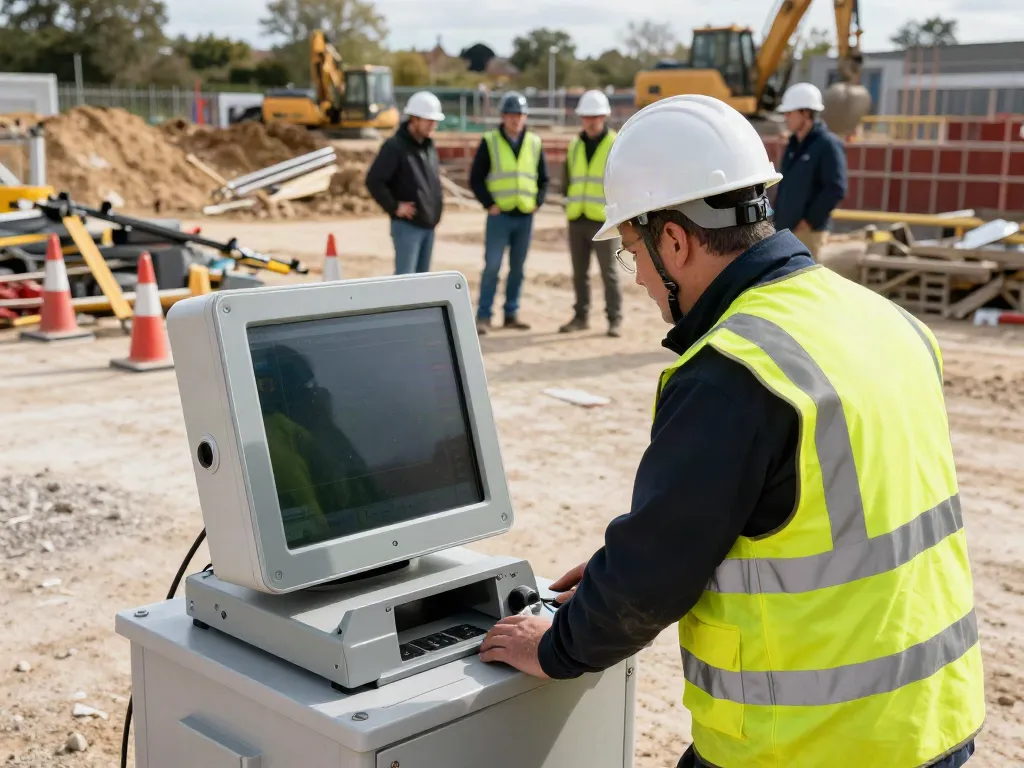
Understanding the Basics of GPR Surveying
Ground Penetrating Radar (GPR) is a revolutionary technology that provides a non-invasive means of exploring what lies beneath the Earth's surface. Utilising high-frequency radar pulses, GPR surveys can detect and map various subsurface structures, including utilities, geological formations, and archaeological finds. This technology has become increasingly popular in Surrey, where the need for precise underground mapping is essential for construction, infrastructure development, and environmental assessment. When exploring options, GPR Survey Surrey provides comprehensive insights into utilising this method effectively.
What Is a GPR Survey?
A GPR survey is a geophysical method that involves sending radar waves into the ground to collect data about subsurface structures. The radar waves penetrate the ground and reflect back to the surface when they encounter different materials, allowing surveyors to interpret the data and produce detailed subsurface images. This technique is beneficial for identifying utilities, voids, and various geological features without the need for excavation.
Key Benefits of GPR Surveys in Surrey
- Non-Invasive: Unlike traditional digging methods, GPR surveys do not disturb the ground, making it ideal for urban areas where excavation can be disruptive.
- Cost-Effective: By avoiding unnecessary digging and potential damage to existing utilities, GPR surveys can save time and money during construction projects.
- Rapid Results: GPR surveys can be conducted quickly, with immediate data processing available, allowing for informed decision-making.
- Versatile Applications: From locating underground utilities to assessing geological hazards, GPR can be used across various industries, making it a versatile tool for surveyors.
Common Applications of GPR Technology
GPR technology has diverse applications, including:
- Utility Mapping: Identifying and locating buried utilities such as water, gas, and electricity lines.
- Geotechnical Investigations: Assessing soil conditions and bedrock structures for construction projects.
- Archaeological Surveys: Discovering and documenting historical artefacts and structures without excavation.
- Environmental Assessments: Investigating contamination and geological features for environmental studies.
Choosing the Right GPR Survey Provider
Selecting a qualified GPR survey provider is crucial for obtaining accurate and reliable results. The right choice can significantly impact the success of your projects and reduce the risk of costly mistakes.
Factors to Consider When Selecting a Service
- Experience: Look for providers with a proven track record in GPR surveying, particularly in your specific area of interest.
- Technology: Ensure they utilise state-of-the-art equipment and techniques to obtain the best results.
- Reputation: Check client testimonials and case studies to gauge their reliability and expertise.
Evaluating Expertise and Technology
When evaluating potential GPR survey providers, consider their qualifications and the technology they use. A reputable provider should have experienced personnel trained in geophysics and GPR techniques, as well as access to the latest hardware and software for data analysis and reporting.
Cost Considerations for GPR Surveys in Surrey
The cost of GPR surveys can vary widely based on several factors, including the complexity of the project, location, and the provider's expertise. On average, clients can expect to pay between £100 to £200 per hour for GPR services in Surrey. However, it is essential to obtain multiple quotes and consider the overall value rather than just the price.
Implementing GPR Surveys Effectively
Successful implementation of GPR surveys requires careful planning and coordination with all stakeholders involved in the project.
Best Practices for Pre-Survey Planning
- Site Assessment: Conduct a preliminary site assessment to identify any potential challenges or obstacles.
- Clear Objectives: Define clear objectives for the survey to ensure that the data collected meets your needs.
- Stakeholder Communication: Communicate with contractors, engineers, and other relevant parties to establish expectations and timelines.
Coordinating with Construction Teams
Effective coordination with construction teams is critical to minimise disruptions and ensure safety. GPR data can provide valuable insights that help inform construction decisions and reduce the risk of encountering unknown obstacles underground.
Understanding Survey Results and Reporting
Once the GPR survey is completed, the results will be processed and compiled into a comprehensive report. This report should include detailed images and analysis, allowing stakeholders to make data-driven decisions. It's essential to review these findings thoroughly and address any questions or concerns with the survey provider.
Addressing Common Misconceptions About GPR Surveys
Despite its advantages, there are several misconceptions about GPR surveys that can lead to misunderstandings.
Is GPR Always Accurate?
While GPR is a powerful tool, it is not infallible. Accuracy can depend on several factors, including soil conditions, the frequency of the radar waves, and the experience of the operator. Therefore, it's vital to interpret results within the context of other geological and environmental data.
Non-Invasive Techniques Explained
One of the primary benefits of GPR is its non-invasive nature. Unlike digging, which can disturb the site and cause damage, GPR allows for subsurface exploration without any physical alteration of the ground. This aspect makes it particularly advantageous in sensitive areas.
Limitations of Ground Penetrating Radar
Despite its many benefits, GPR has limitations. For example, it may struggle to penetrate highly conductive materials, such as wet clay or saltwater, which can lead to data gaps. Understanding these limitations is crucial for effective planning and interpretation of survey results.
The Future of GPR Surveys in 2026 and Beyond
As technology continues to evolve, the future of GPR surveys looks promising, with several emerging trends expected to shape the industry.
Emerging Trends in GPR Technology
- Increased Automation: Advances in automation and AI will enhance data collection and analysis, leading to faster and more accurate results.
- Integration with GIS: Integrating GPR data with Geographic Information Systems (GIS) will improve mapping accuracy and project planning.
- Portable and Miniaturized Equipment: The development of smaller, more portable GPR systems will make surveys more accessible in challenging locations.
Predicted Changes in Market Demand
As awareness of the benefits of non-invasive surveying techniques grows, the demand for GPR services is expected to increase, particularly in urban areas where space is limited, and subsurface conditions can be complex.
Enhancing Sustainable Practices in Surveying
Environmental concerns are driving the industry towards more sustainable practices. GPR surveys contribute to this movement by reducing the need for excavation, thus minimising land disruption and the carbon footprint associated with construction activities.
What Should I Expect from a GPR Survey?
When engaging a GPR survey provider, expect a thorough process that includes pre-survey assessments, detailed execution of the survey, and comprehensive data reporting. Communicate your goals clearly to ensure the survey meets your specific needs.
How Much Does a GPR Survey Cost?
As previously mentioned, the cost of GPR surveys can vary significantly. Factors such as project depth, required resolution, and location will influence pricing. Always seek detailed quotes that break down costs to better understand what you are paying for.
What Industries Use GPR Surveys?
GPR surveys are utilised across various sectors, including:
- Construction
- Archaeology
- Environmental science
- Mining
- Utility management
Why Choose Professional GPR Survey Services?
Professional GPR survey services bring expertise, advanced technology, and experience to the table. They can interpret complex data accurately, reducing risks and ensuring project success.
Can DIY GPR Surveys Be Effective?
While DIY GPR kits are available, they often lack the precision and professional-grade capabilities required for accurate subsurface mapping. For critical projects, it is advisable to hire experienced professionals for better reliability and results.
How Accurate is Ground Penetrating Radar?
The accuracy of GPR surveys is generally high, but it can vary based on soil conditions, the type of radar used, and operator skill. Understanding its limitations and potential issues is vital for effective interpretation of results.